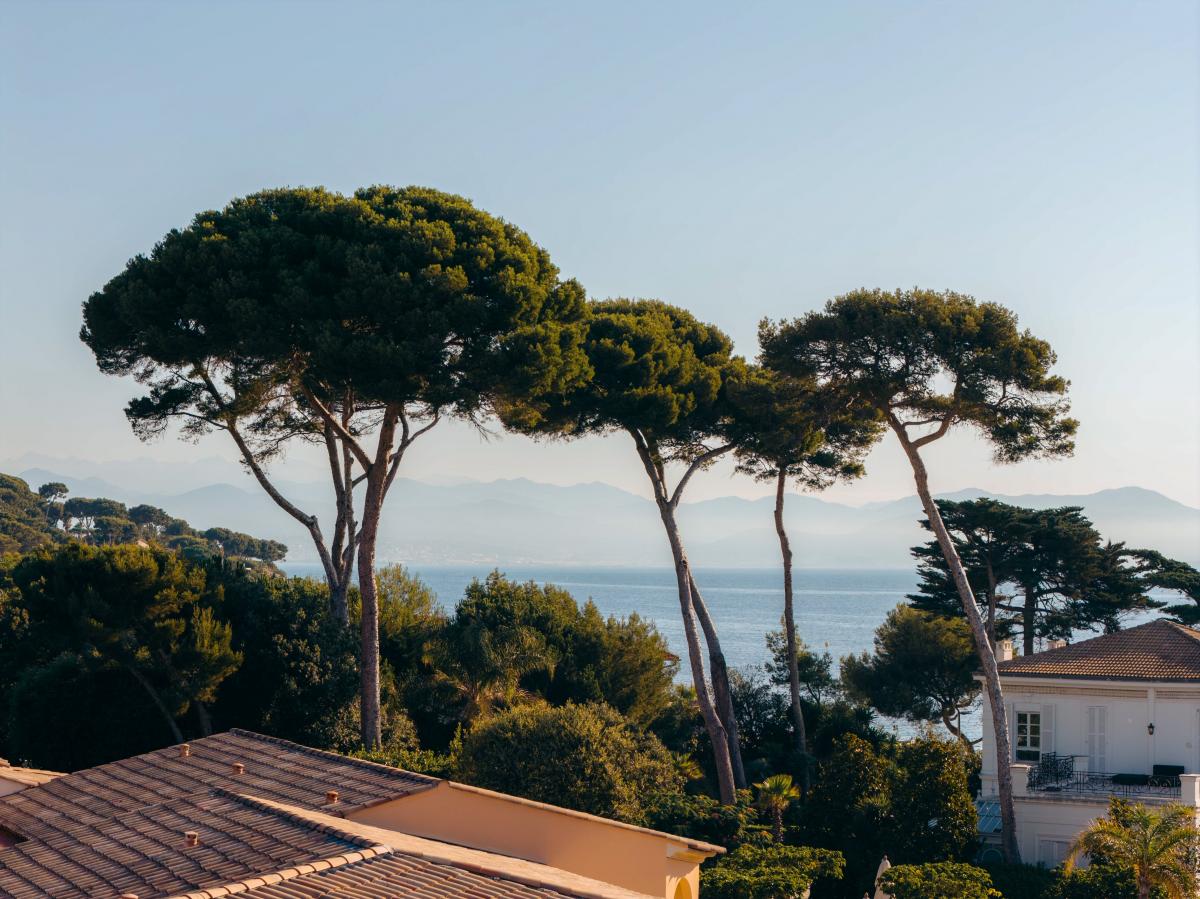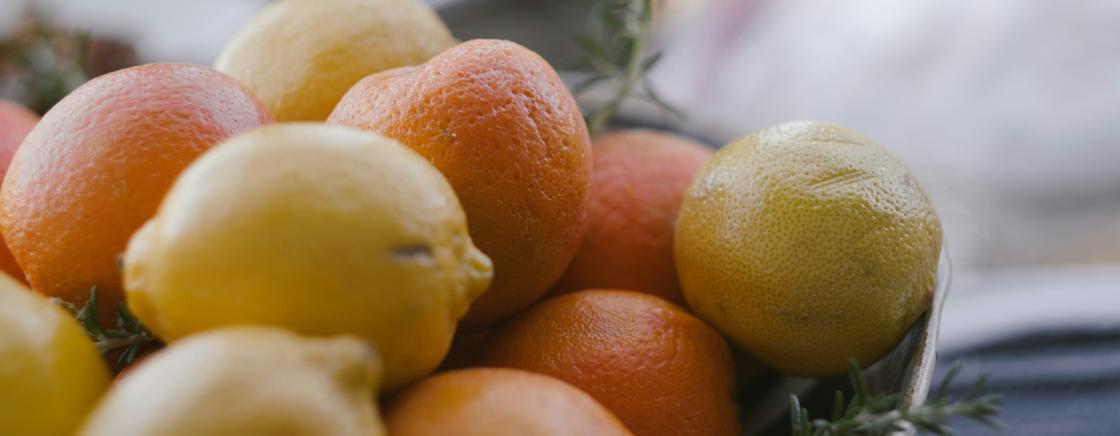
Along the French Riviera, winter is never synonymous with hibernation. On the contrary, it is the season when certain fruits reach their peak: citrus fruits. From December onward, their colors and fragrances fill gardens, markets, and kitchens.
An ancient culture shaped by the climate
Introduced as early as the Middle Ages and widespread by the 17th century, citrus fruits quickly found ideal conditions in the Mediterranean: mild winters, abundant light, salty air, and mineral-rich soils. This unique combination produces fruits with thick, aromatic skins that concentrate a remarkable amount of essential oils.
A connection to Grasse’s perfume heritage
What many forget is that citrus fruits played a key role in the rise of the perfume tradition in Grasse, now world-renowned. From the 18th century onward, perfumers used bitter orange zest, lemon essence, and bergamot essential oil. These extracts were used to perfume the gloves manufactured in Grasse and later the first scented waters—precursors to modern colognes. They remain essential notes in contemporary perfumery.

A winter maturity that changes everything
In winter, the contrast between bright days and cool nights increases the concentration of essential oils in the peel. Slower ripening than in summer intensifies the aromas, giving lemons, mandarins, and bitter oranges their distinctive, powerful fragrance.
A citrus fruit harvested in January does not have the same intensity or texture as a summer fruit: its skin is denser, more aromatic, and its flavor more balanced. This winter quality is what built the reputation of citrus fruits along the Riviera, highly sought after in both perfumery and cuisine.
Culinary traditions rooted in the Mediterranean
On the Côte d’Azur, citrus fruits play an essential culinary role, inherited from age-old practices. Their natural acidity once made it possible to preserve foods, enhance winter dishes, or flavor very simple preparations. Bitter orange was used to infuse oils for fish, mandarin found its place in seasonal jams, and lemon was indispensable for balancing many local recipes.
This tradition still shapes Mediterranean cooking today, including in the kitchens of Villa Miraé, where citrus fruits are used with restraint and precision. Depending on the season, they brighten dishes built around freshness and clarity: a local lemon to elevate grilled fish, a hint of mandarin to soften a dessert, or an oil perfumed with bitter orange to highlight seasonal vegetables.
More than a simple aroma, citrus becomes a seasonal marker, a guiding thread that connects Miraé’s cuisine to its environment, a Mediterranean defined by light, precision, and the subtle way each fruit, each scent, tells the story of winter.